Some Tips To Treat Burns In A Crisis

One of the worst injuries that you might get is a burn, especially if it is during a crisis. Such burns can be dangerous and extremely painful.
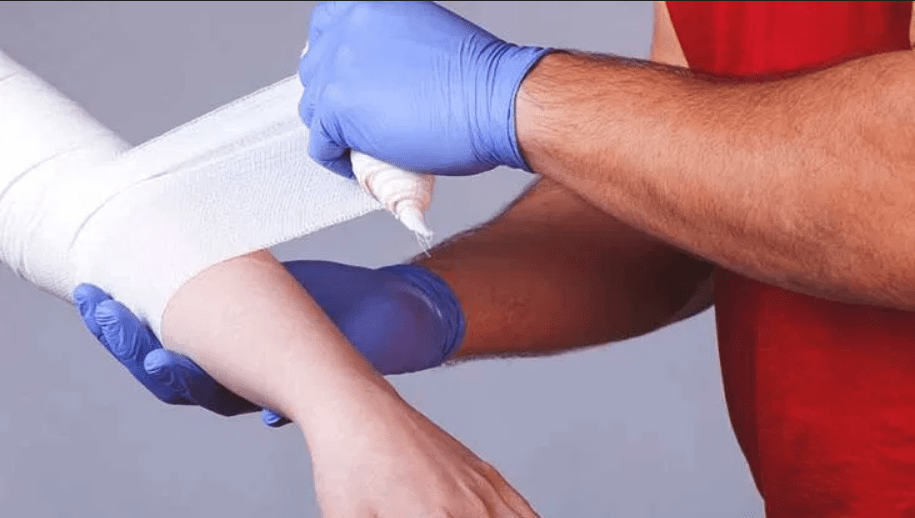
Having burns during a crisis can be life-threatening, but knowing how to treat them can help you avoid any trouble.

The reason many people think that odds of getting burned are too small is that they take only fire burns into the account. The fact of the matter is that these burns are also caused by chemicals, electricity, and even sunlight. Much to your surprise, even sunburns can prove to be deadly if you are exposed to direct sunlight for a long time.

The good thing, however, is that you can treat your burns without needing medical attention. Here are a few steps that you can consider.

Cooling down the burnt skin

Limiting the damage is the first thing you have to do after getting burnt. For this purpose, remove any clothes from the burnt area and run cold water over it to mitigate the effects of these burns. It will remove harmful substances and cools down the skin. Make sure that you are using only water to wash the burnt skin. Some people believe that using butter, oil, or milk is a more viable option. It can actually trap heat and cause more pain.

Applying pain-relieving gels

After running some water, now you want to get quick relief. It will help lower the risk of panicking due to extreme pain. For this purpose, you will need to use gel to treat burns. Aloe Vera gel or cream will work fine in this scenario. You can also use honey as a burn gel.

While applying the gel, make sure that you are not rubbing on it. Rubbing can cause even more disturbance, leading to an increase in the damage.

Determining the damage and treating the burn

After this quick relief, you should feel calm considerably. Now is the time to look at the burn and assess the amount of damage. While a burn may appear gruesome, it is not deadly.

Burns can result in death if:

  • They damage the respiratory system
  • They cover 10% or larger area of your body
  • An infection has developed in your wound
  • The injured person is very old or too young

You will need to see to which degree your wound falls in to assess its severity. Here is a quick overview.

  • First-degree burns: These are minor burns that affect only the top layer of the skin. They can turn the skin color to red and cause mild pain. They do not result in any blisters. Applying aloe vera to such burns can provide quick relief.
  • Second-degree burns: These burns usually result in the formation of blisters on the skin. The popping of those blisters can cause infection. Once a blister pops, you will need to remove the dead skin immediately to prevent the wound from getting infectious. Then you will need to apply the antibiotic gel as a way to treat the wound.
  • Third-degree burns: A burn that goes deep through the skin and causes injury is called a third-degree burn. This burn can also affect muscles, nerves, and fat. Sometimes, this burn can damage the nerves, causing you not to feel much pain. The treatment of third-degree burns is the same as that of second-degree burns.
  • Fourth-degree burns: It can be quite severe and, maybe, life-threatening. If you have got this burn, you will need to get medical attention as soon as possible because there is no way you can treat it yourself.
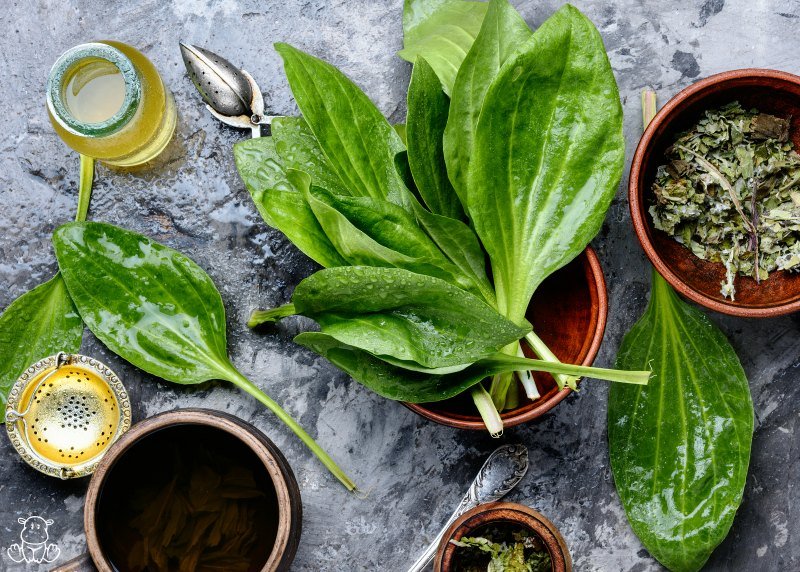
Use Plantain as Medicine – Here are Some Tips and Ways

Nature has given us so many useful products and plants. They have healing ability through which you can survive so many diseases, injuries, and infections. However, many of the plants are taken as weeds. Thus, some people remove such plants and herbs from their gardens. Well, before plucking them out, you should know their worth and usefulness.

The first plant is weed. You might have heard this name in negative words. Thus, before making a wrong perception about such herbs, you should know their plus points. Discover what is in your lawn and backyard plants. Today, we shall learn and study some common weeds called plantain that grows in your own home and beneficial also.

  1. Broad Leaf Plantain

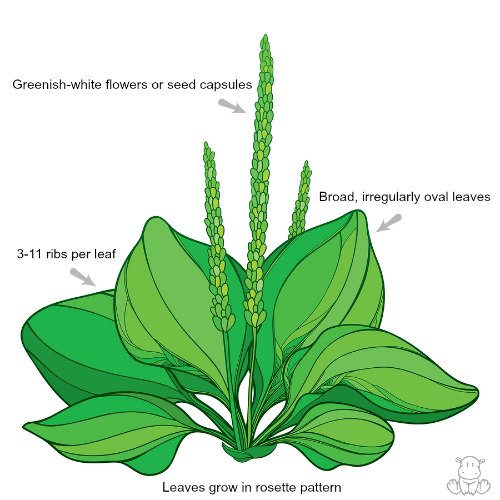
The scientific name of broadleaf plantain is Plantago Major. Well, when it comes to the structure of these leaves, they have wide leaves with 3 – 5 veins. Moreover, the flowering portion of the broad leaves plantain is long and narrow at the same time. The image of a single leaf is above on the right.

  1. Narrow Leaf Plantain

The scientific name of the three plants is Plantago Lanceolata. It is opposite to the broad leave plantain. They have narrow and long leaves. However, the flowering part of the plant is narrow and shorter than the broad leaves.

Benefits and Survivals of Plantain

Here are some organic treatments and benefits of this natural plantain. Many of you are unaware of the uses of these plants and weeds. However, they are helpful in the following ways.

  1. Treat Bug Bites

You can be a victim of a bug, tick, snake, spider, or venomous insect bite. Now, you can use these plantains as an anti-toxin and anti-venom factor.

  1. Soothes Burns

When you get burnt, you need some sudden treatment. The most organic way is to put aloe gel on the burn mark. Another way is to keep a small piece of raw potato on the burnt mark. Some people have burn cream at their home; thus, you can apply that also. However, in case, you do not have any of the above remedies, then you can use plantain for this. It is the best substitute you can have to get relief from the burning pain.

  1. Treat Pneumonia

People who have pneumonia or any other respiratory problems like lung infections, allergies, and asthma should use plantain. This is one of the best organic remedies to treat lung diseases and breathing problems. Many people do not know about this remedy. As they do not have an idea of plantain’s this benefit. 

  1. It can Stop Bleeding

It also helps in halt bleeding from wounds. This works as a natural bandage and slows down the flow of blood. Moreover, the plantain also aids in the healing of wounds faster.

  1. It Works as an Anti-Inflammatory

Plantain is a plant that can work as an anti-inflammatory remedy. When you have swelling on any part of the body due to bites or stings, then you can use plantain as an organic remedy. It will give you relief from pain and reduce swelling. Also, when you have allergies on the skin or rashes due to mosquito bites or any other cause, you can use plantain to reduce these effects.

  1. Disinfect Wounds

It is an organic antibiotic. It can work as a disinfected medicine. If you have seasonal allergies like flu and cold, you can use this to treat your cold. Take steam of the plantain. Moreover, it can also treat the infections that can come from wounds. Use this natural herb on your injury and then wrap it.

COVID-19 And Food Packaging

The impact of COVID-19 has been quite apparent in the global supply chain. This change has been particularly radical in the food packaging industry.

In March 2020, organizations around the world started realizing the seriousness of the matter caused by the spread of the virus. Every channel broadcasted the news about coronavirus round the clock. This entire situation made those organizations realize the need to bring some drastic changes in food packaging.

Certain businesses and organizations such as K-12 schools, universities, and dining establishments started looking for ways to stay in business. Since the dine-in option was completely banned across the United States, many food chains and businesses started offering takeaway options. Students from abroad had to stay in universities, so the food takeaway option was better suited for them in such conditions.

Another shift was in the form of the work-from-home revolution, which resulted in many people opting for their preferred places to work. It allowed most businesses to continue operating, but the profitability for employees who were not able to leave for their homes was badly affected.

Up until mid-May 2020, the Centers for Disease Control and Prevention (CDC) reported that all non-porous food containers put users at risk. These materials and surfaces included tabletops, glass, thin-walled containers, straws, and drink cups.

Budget woes caused by supply changes

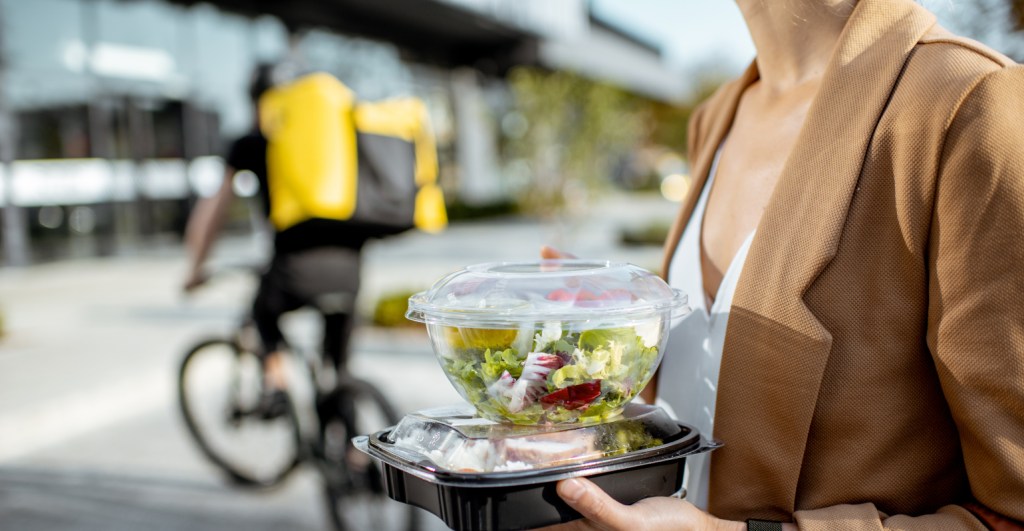
Businesswoman holding lunchboxes with fresh takaway food outdoors. Male courier on a bicycle on the background. Takeaway restaurant food delivery concept

The pandemic resulted in an increased demand for thin-walled containers, cutlery, and other food packaging materials. There was also a higher food safety risk associated with the use of most of the cutlery items. With cheaper alternatives being the only option available, there was an increased likelihood of plastic breaking off into the food.

At this point, it was impossible to pay attention to packaging sustainability. Buyers had to revert to buying expanded polystyrene (EPS) foam as it was one of a few budget-friendly options available.

There was a widespread problem related to form, fit, and function at the stakeholders’ downstream. It was impossible to fit the lids over old cups. The materials sourced and purchased included crystallized polyethylene terephthalate (CPET), polyethylene terephthalate (PET), amorphous polyethylene terephthalate (APET), EPS, and oriented polystyrene (OPS). What’s worse was that such purchases were made without the approval of stakeholders who had to look at the food quality and weigh the entire packaging process.

The effect on food packaging in the future

The future food packaging market will see an increase in the use of thermal packaging containers by 3% or 4% to 7% or 8%. The market increase will be triggered by rising demands for Ready-To-Eat (RTE), Ready-To-Heat (RTH), and other grab-and-go packaging materials. The market figures will double between 2021 and 2025. EPS, on the other hand, will continue to offer a low-cost food packaging alternative for cost-conscious food packaging firms and restaurants. However, a ban on such materials will change the entire scenario.

As of now, companies have allocated funds for PPE and packaging purchases as the pandemic is still not over. The vaccination distribution plans are being rolled out, and it is uncertain when a majority of the world population will be immunized.

Four Ways Through Which You Can Build Campfire

During a camping or hiking trip, you will need fire to cook your food and to get warm. Thus, lighting up the fire could be difficult at trip stations. They will require some tools and techniques. Once you lit up the fore, you will need some tactics to keep it going. First, you must mull over which type of fire and for what purpose you need it. Then, it will be easier to start it and utilize it in a better way.

The primary struggle will be starting of the fire. Because of the wind and water, you might face several problems and hurdles. For campfires, you will have to pay attention to the side of the wind, rain, weather, and many other characteristics. Here are some kinds of fire, you can light up during your trip.

  1. Lean-To Campfire

This is an easy campfire to build. When you have windy weather around you, it will be hard to light up the fire; thus, you need an effortless way. Here you can light up lean-to-fire. You will require a large fuel log that will act as a windshield. It can change the direction of air and allow to burn off the campfire. 

Place this fuel log on the ground (on the point where you want to burn your fire). Now put the tinder alongside it. Well, the direction should be opposite of the wind. Now, you need a prop, just like twigs. It will help you in kindling the fuel logs. This should have one end on rest on the fuel log and the other end on the ground. It should have a tinder underneath. The next step will be the placement of larger sticks of kindling on top of the smaller ones. Now, everything is ready to get fire.

  1. Log Cabin Campfire

This is a difficult method to kindle the fire. You will require a lot of effort to set it up. This campfire allows for increased airflow. In this case, you need to place the tinder on the ground at the point you want to light up the fire. Now, you need to stack sticks around it. Through these sticks create a wall on all four sides.

When the sticks and tinder come on the same height, lay down some small twigs across the opening point, i.e. above the tinder to utilize it as kindling.

  1. Star Campfire

When you cannot cut the fuel logs and make them shorter, then you can use the start campfire method. It does not waste your logs. Otherwise, you will have to cut them short and throw the extra fuel log. Use star campfire to slowly feed it. You need to arrange the fuel logs and bring them together on a single point. Choose a center like the spokes of the wheel. Make sure you are leaving a small opening in the center. Thus, it would have enough room to put your tinder and kindling. These logs can shield your tinder from airspeed. And help in lighting up the fire. When you feel the fire is coming down, you can go close to the logs and push them inward through your feet.

  1. Teepee Campfire

The teepee campfire is the primary and common way of lighting up fire during camping. Thus, almost everyone knows about this kind and technique. When there is no speedy wind or rainy weather, then in normal circumstances you can easily build this up. Even you can kindle this campfire quickly. You need to lean several sticks against each other. Create a cone shape and hold each other up. Push all the ends of the sticks into the ground and then you need some extra stability for the coned shape sticks. You need to build a huge cone shape by continue putting these sticks. Just turn on the lighter now, and your campfire is ready.